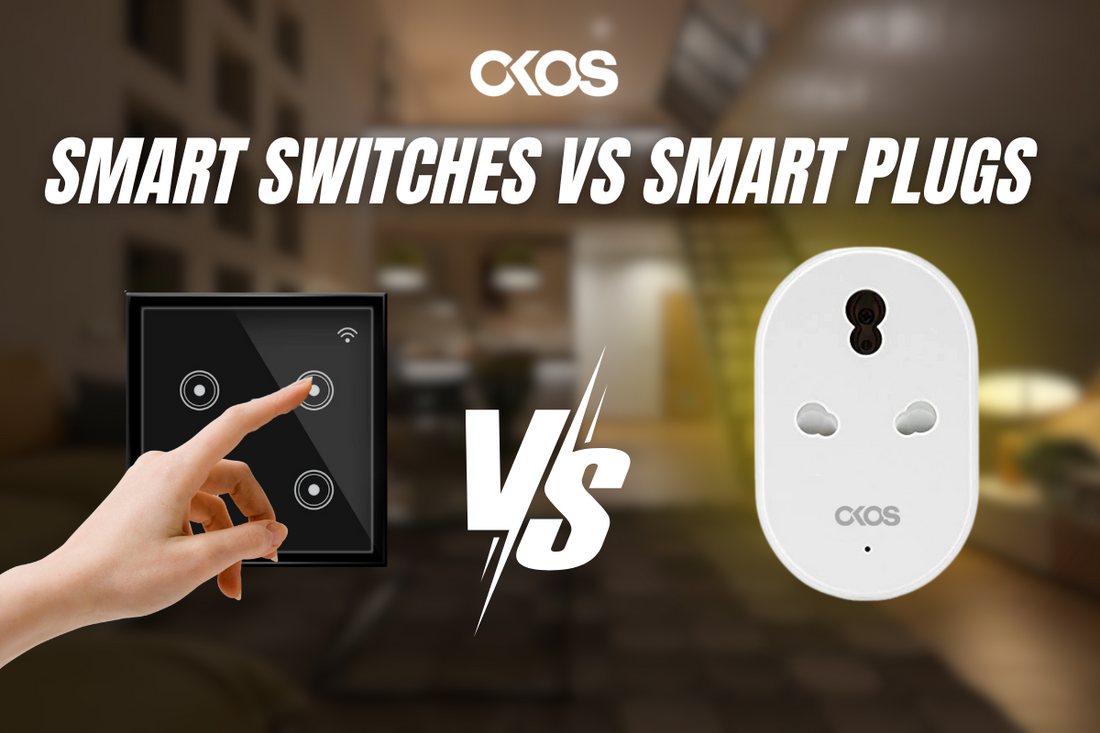

Are you trying to make your home smarter but feeling stuck between choosing smart plugs or smart switches? You’re not alone.
Both options promise convenience and control, but which one truly fits your lifestyle and needs? This guide will clear up the confusion and help you decide the best way to upgrade your space. Keep reading to discover how each device works, their unique benefits, and which one gives you the most value for your money.
Your smart home journey starts here.
What Are Smart Plugs
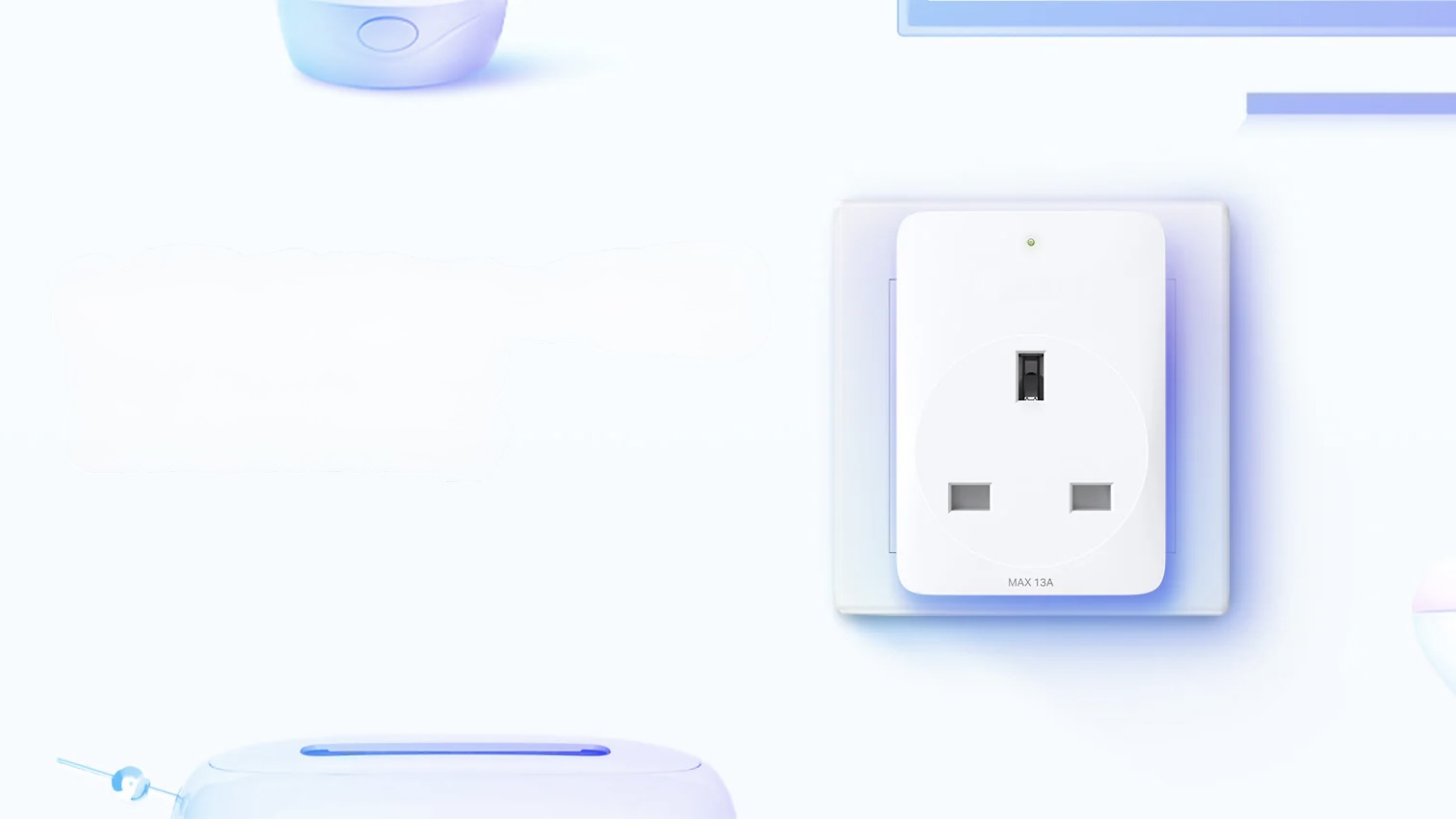
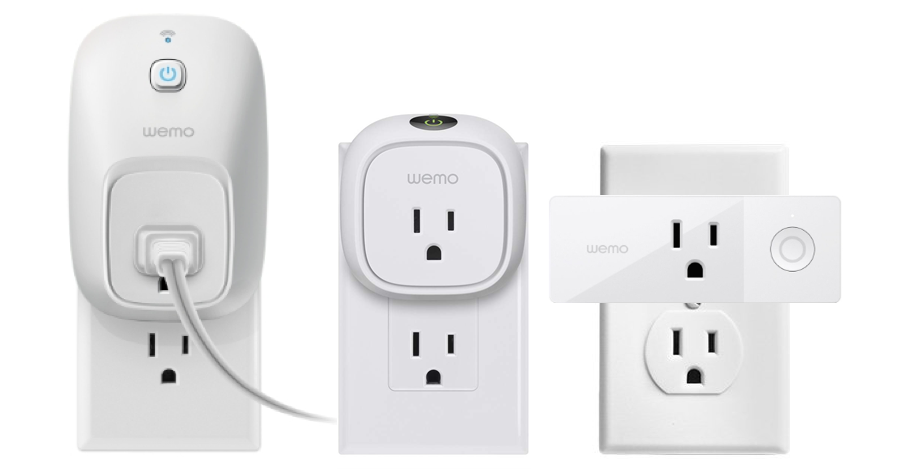
Smart plugs are small devices that connect to your wall outlet. They let you control appliances using a phone app or voice commands.
They work with Wi-Fi or Bluetooth to turn devices on or off remotely. Smart plugs help make your home more convenient and energy-efficient.
Basic Features
Smart plugs have simple but useful features. They let you control power to devices from anywhere using your smartphone.
Many smart plugs also offer scheduling, energy monitoring, and voice assistant support.
- Remote on/off control
- Set timers and schedules
- Monitor energy usage
- Works with Alexa, Google Assistant, or Siri
- Compact design fits most outlets
Installation Process
Installing a smart plug is quick and easy. You only need to plug it into a power outlet and connect it to your Wi-Fi.
After that, use the app to add the device and start controlling your appliances.
- Plug smart plug into wall outlet
- Download the compatible app
- Connect smart plug to Wi-Fi
- Add device in the app
- Start controlling devices remotely
Common Uses
Smart plugs work well for many home devices. They help save energy and add convenience.
People use smart plugs to control lights, fans, heaters, and more with ease.
- Turn lamps on/off remotely
- Control coffee makers with a schedule
- Switch fans or heaters automatically
- Manage holiday decorations
- Monitor energy use of appliances
Credit: www.t3.com
What Are Smart Switches
Smart switches are devices that control lights and appliances. They replace regular wall switches.
These switches connect to Wi-Fi or smart home systems. You can turn lights on or off remotely.
Key Characteristics
Smart switches often have touch controls or buttons. They can be voice controlled through assistants.
They keep the look of normal switches but add smart features. Many support scheduling and automation.
- Works with Wi-Fi or smart hubs
- Can control multiple lights or devices
- Supports voice commands
- Allows scheduling and timers
- Maintains regular switch appearance
Wiring And Setup
Installing smart switches usually needs a neutral wire. This wire provides constant power to the switch.
Wiring replaces the old switch in the wall box. Setup connects the switch to your home Wi-Fi network.
- Turn off power before installation
- Connect live, load, neutral, and ground wires
- Use the app to connect switch to Wi-Fi
- Test switch after installation
Typical Applications
Smart switches are best for controlling ceiling lights and wall lamps. They fit well in living rooms and bedrooms.
They also work for fans and outdoor lighting. Use them to save energy by scheduling off times.
- Living room and bedroom lighting
- Kitchen and hallway lights
- Ceiling fans with light kits
- Porch and garden lights
- Rooms where wall switch control is preferred
Comparing Functionality
Smart plugs and smart switches both control your home devices remotely. They help make daily tasks easier and save energy.
Understanding their differences helps you pick the right option for your needs.
Control Options
Smart plugs let you control devices plugged into them. You can turn devices on or off with an app or voice commands.
Smart switches control the power to lights or outlets wired in your walls. They replace your existing switches and work with wall controls too.
- Smart plugs control device power remotely
- Smart switches control wired lights and outlets
- Both support app and voice control
Compatibility With Devices
Smart plugs work with most devices that use a plug. They are easy to move between rooms or devices.
Smart switches work only with wired fixtures like ceiling lights and wall outlets. They fit into your home’s electrical system.
- Smart plugs fit standard outlets and devices
- Smart switches fit wired fixtures and wall outlets
- Smart switches need electrical wiring knowledge for installation
Energy Monitoring
Many smart plugs include energy monitoring. They track how much power your device uses and show reports in the app.
Some smart switches offer energy tracking, mainly for lighting. This helps you see power use and find savings.
- Smart plugs often provide detailed energy use data
- Smart switches may offer basic energy tracking
- Energy reports help reduce power waste
Credit: brendenmulligan.com
Installation And Setup Differences
Smart plugs and smart switches let you control devices remotely. They differ in how you install and set them up.
Understanding these differences helps you pick the right option for your home and skills.
Ease Of Installation
Smart plugs are easy to install. You just plug them into an outlet and connect your device.
Smart switches replace your wall switch and need more work. They require wiring inside the wall.
- Smart plugs: Plug and play
- Smart switches: Remove old switch, wire new one
Required Tools And Skills
Installing a smart plug needs no tools or special skills. Anyone can do it safely.
Smart switch installation needs basic electrical tools and knowledge. You must handle wiring correctly.
- Smart plugs: No tools needed
- Smart switches: Screwdriver, voltage tester, wire stripper
- Basic knowledge of home wiring is important for switches
Safety Considerations
Smart plugs pose low safety risks since they do not require wiring. Just follow the instructions.
Smart switch installation involves electricity inside the wall. Turn off power before starting.
- Smart plugs: Use only compatible outlets
- Smart switches: Always switch off circuit breaker
- Consider hiring an electrician for smart switches
Cost And Value
Smart plugs and smart switches help control your home devices. They save energy and add convenience.
Understanding their costs and value helps you pick the best option for your needs.
Initial Investment
Smart plugs usually cost less to buy. They plug into existing outlets. No wiring is needed.
Smart switches need installation inside your wall. This can increase the initial cost.
- Smart plugs: lower price, easy setup
- Smart switches: higher price, professional install
Long-term Savings
Smart switches control hardwired lights and fixtures. They save energy over time.
Smart plugs save energy by turning off devices on standby. Savings depend on device use.
- Switches: good for lighting, constant use
- Plugs: best for smaller devices, flexible use
Maintenance Expenses
Smart plugs rarely need maintenance. They can be replaced easily if broken.
Smart switches may need more care. Wiring issues can cause extra repair costs.
- Plugs: low maintenance, easy replacement
- Switches: possible wiring repairs, higher costs
Integration With Smart Home Systems
Smart plugs and smart switches connect devices to your smart home system. They let you control appliances remotely.
Both devices work with many smart home platforms. This helps you manage your home easily.
Voice Assistant Compatibility
Smart plugs and switches often support voice assistants like Alexa and Google Assistant. This lets you use voice commands to control them.
Smart switches may support more voice commands because they control built-in wiring. Smart plugs control only the device plugged in.
- Smart plugs: Works with most voice assistants
- Smart switches: Usually support more complex commands
- Both allow hands-free control
App Control Features
Both smart plugs and switches offer app control through smartphones. You can turn devices on or off from anywhere.
Smart switches often have extra settings. You can adjust settings for multiple lights or rooms.
- Smart plugs: Simple on/off controls
- Smart switches: Control groups and dimmers
- Apps offer scheduling and status updates
Automation Capabilities
Smart switches can be part of complex automation scenes. They work well with sensors and other devices.
Smart plugs automate single devices easily. You can set timers or triggers but with fewer options.
- Smart plugs: Good for simple on/off automation
- Smart switches: Ideal for lighting scenes and multi-device control
- Both support routines via smart home apps
Pros And Cons
Smart plugs and smart switches help control devices in your home. Both have benefits and drawbacks. Knowing these can help you choose the right one.
Smart plugs fit into outlets and control devices plugged into them. Smart switches replace wall switches to control lights or fans directly.
Advantages Of Smart Plugs
Smart plugs are easy to install. You just plug them into a socket and connect your device. No wiring needed.
They work with many devices like lamps, fans, and coffee makers. You can control each device separately.
- No electrical work required
- Portable and easy to move
- Works with many small devices
- Good for renters or temporary setups
Advantages Of Smart Switches
Smart switches control lights or ceiling fans directly from the wall. They replace your old switches for a clean look.
They work with regular light bulbs and fixtures. You do not need smart bulbs to use them.
- Controls lights and fans from the wall
- No need for smart bulbs
- Works with multiple types of lighting
- Can be controlled by apps and voice
Limitations To Consider
Smart plugs can be bulky and block other outlets. They may not fit well in tight spaces.
Smart switches need proper wiring and may require an electrician. They are not portable once installed.
- Smart plugs may block nearby outlets
- Smart switches need wiring knowledge
- Not all smart switches fit all switch types
- Smart plugs need devices with plugs

Credit: www.hidintech.com
Choosing The Right Option
Smart plugs and smart switches both control your home devices. Picking the right one depends on your needs and setup.
This guide helps you understand which option fits best for your home and future plans.
Assessing Your Needs
Think about what devices you want to control. Smart plugs work well for lamps and small appliances.
Smart switches replace wall switches and control lights or ceiling fans directly.
- Use smart plugs for easy setup and portability
- Choose smart switches for built-in control and cleaner look
- Consider how many devices you want to automate
Home Layout Impact
Your home’s wiring and switch type affect your choice. Some homes lack neutral wires needed for smart switches.
Smart plugs work without wiring changes but need nearby outlets. Think about where your devices sit.
- Check if your switches have neutral wires for smart switches
- Look at outlet placement for smart plugs
- Consider if multiple switches control one light
Future-proofing Your Setup
Pick devices that fit your long-term plans. Smart switches offer a permanent upgrade for your lighting.
Smart plugs are good for trial and testing new setups before full upgrades.
- Choose devices compatible with your smart home system
- Plan for adding more devices later
- Think about energy monitoring features
Frequently Asked Questions
What Is The Main Difference Between Smart Plugs And Switches?
Smart plugs connect to outlets and control devices, while smart switches replace wall switches to control fixtures directly.
Can Smart Plugs Control Multiple Devices Simultaneously?
No, smart plugs typically control one device at a time for precise and individual management.
Are Smart Switches Easier To Install Than Smart Plugs?
No, smart plugs are easier to install; smart switches require wiring and wall switch replacement.
Which Is More Energy-efficient: Smart Plugs Or Smart Switches?
Both save energy, but smart switches often provide better efficiency by controlling fixed fixtures directly.
Conclusion
Choosing between smart plugs and smart switches depends on your needs. Smart plugs offer easy setup and flexibility. They work well for small devices. Smart switches control built-in lighting. They’re best for larger installations. Both options add convenience to your home.
Consider compatibility with your existing devices. Evaluate your budget and installation skills. Smart plugs are portable; switches are permanent. Think about energy efficiency goals. Make a choice that simplifies your life. Embrace technology that fits your lifestyle. Your smart home journey starts with the right choice.
19 min read