
Are you curious about making your living space more convenient and efficient but find yourself confused by terms like “smart home” and “home automation”? You’re not alone.
These phrases are often used interchangeably, yet they mean different things that can impact how you set up and control your home technology. Understanding the difference can help you choose the right solutions that fit your lifestyle and budget. Keep reading to discover what sets a smart home apart from home automation—and which one is the best fit for you.
Smart Home Basics
A smart home uses technology to make life easier. It lets you control devices from one place.
Home automation is part of a smart home. It means setting devices to work on their own.
Key Features
Smart homes connect devices to the internet. You can control lights, locks, and more using apps.
Home automation allows devices to act without your help. For example, lights turn on at sunset.
- Remote control through smartphone or voice
- Scheduling devices to work automatically
- Energy saving by smart monitoring
- Security with smart alarms and cameras
Common Devices
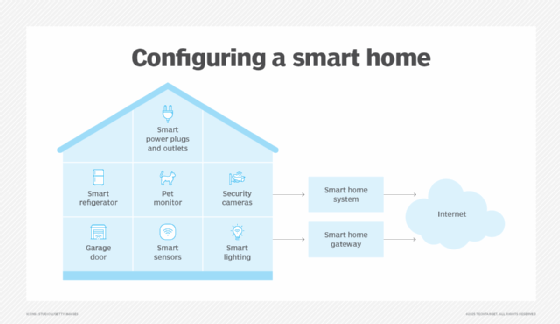
Many devices make a home smart. They include simple tools and complex systems.
Some devices work alone, others connect to a hub. This hub controls them all easily.
- Smart speakers like Amazon Echo or Google Home
- Smart lights that change color or turn on/off
- Smart thermostats that adjust temperature automatically
- Security cameras and smart locks
- Smart plugs to control regular devices

Credit: www.youtube.com
Home Automation Essentials
Home automation means using technology to control devices in your house. It helps make life easier by automating daily tasks.
Smart homes and home automation often get mixed up. Understanding home automation basics helps you see the difference.
Core Functions
Home automation focuses on controlling devices automatically. It uses sensors and timers to manage tasks without your help.
Common functions include lighting control, climate management, and security monitoring. These make homes safer and more energy-efficient.
- Automated lighting adjusts brightness and color
- Thermostats maintain comfortable temperatures
- Security cameras and alarms protect your home
- Smart locks control door access remotely
- Appliances run on schedules to save energy
Automation Systems
Automation systems connect devices to work together. They use a central hub or app to control everything from one place.
There are wired and wireless systems. Wireless systems are easier to install and can be expanded over time.
- Central hubs link smart devices in one network
- Wireless systems use Wi-Fi, Zigbee, or Bluetooth
- Wired systems use cables for stable connections
- Apps allow remote control from smartphones
- Voice assistants can operate devices by commands
How They Differ
Smart home and home automation are often used as the same idea. They both make homes easier to manage. Yet, they are different in key ways.
Understanding their differences helps you choose the right system. This guide looks at how they differ in control, integration, and user experience.
Control Methods
Smart homes use simple controls like apps or voice commands. You can control devices individually. Each device works on its own.
Home automation uses automated control. Devices work together based on rules you set. It can run without your direct input.
- Smart Home: Manual control through apps or voice
- Home Automation: Automated control based on triggers
- Smart Home: Devices controlled one by one
- Home Automation: Devices work as a system
Integration Levels
Smart homes have limited integration. Devices connect to the internet but may not talk to each other. This means less teamwork between devices.
Home automation has deep integration. Devices and systems connect and share information. This allows smooth and smart operation across the home.
- Smart Home: Devices often operate separately
- Home Automation: Devices and systems work together
- Smart Home: Basic device communication
- Home Automation: Advanced system coordination
User Experience
Smart homes offer simple user experience. You control devices as needed. It is easy but requires your action each time.
Home automation offers a hands-free experience. The system learns and adjusts automatically. It saves time and adds comfort.
- Smart Home: User controls devices manually
- Home Automation: System runs automatically
- Smart Home: More user input needed
- Home Automation: Less user effort required

Credit: thinkrobotics.com
Benefits Of Each
Smart homes and home automation both make daily life easier. They improve comfort and save time.
Understanding their benefits helps you choose what fits your needs best.
Smart Home Advantages
A smart home connects devices to the internet. You can control them from anywhere using your phone.
This setup offers convenience and remote access to many home functions.
- Control lights, locks, and cameras remotely
- Save energy with smart thermostats
- Receive alerts about home security
- Easy to add new smart devices
- Improve comfort with voice commands
Home Automation Perks
Home automation links devices to work automatically. It does tasks without your input.
This system saves time by managing routines and chores efficiently.
- Automate lighting schedules for safety
- Set heating and cooling to adjust by time
- Control appliances to reduce energy use
- Create scenes for different moods or activities
- Integrate systems for seamless operation
Choosing The Right Option
Smart home and home automation systems can make life easier. Both offer control and convenience in your house.
Choosing between them depends on your needs and how you live. Consider some key factors to decide what fits best.
Budget Considerations
Smart home devices often cost less and can work on their own. Home automation systems usually need more money for setup.
Think about how much you want to spend now and later. This helps pick a system that fits your budget.
- Smart home: lower upfront cost, simple devices
- Home automation: higher cost, advanced features
- Installation fees may add to home automation costs
- Look for systems that grow with your budget
Lifestyle Fit
Your daily routine matters when choosing a system. Smart home devices suit simple tasks like lights or locks.
Home automation works well if you want many devices to work together automatically. It saves time and effort.
- Smart home: good for basic control and ease
- Home automation: ideal for complex setups
- Choose based on your tech comfort level
- Think about how much control you want
Future Expansion
Smart home systems may limit adding many new devices. Home automation offers more options for future growth.
Plan if you want to add more features later. A flexible system can save money and time over years.
- Smart home: easier to start but less expandable
- Home automation: designed for adding devices
- Check compatibility with future gadgets
- Think about your long-term needs
Credit: oxygendigitalshop.com
Frequently Asked Questions
What Is The Main Difference Between Smart Home And Home Automation?
Smart home refers to devices connected for convenience, while home automation means programmed, automated control of those devices. Smart homes offer remote control; home automation enables tasks to run automatically without user input, providing greater efficiency and customization.
Are Smart Homes And Home Automation The Same Thing?
No, smart homes are about connected devices, and home automation focuses on automated processes. Smart homes allow manual control via apps, while home automation uses pre-set rules to manage devices automatically, enhancing comfort and energy savings.
Can Home Automation Work Without Smart Home Devices?
Home automation typically requires smart devices to function effectively. It relies on connected gadgets like smart lights, thermostats, and sensors to automate tasks, ensuring your home runs smoothly with minimal manual intervention.
How Does Home Automation Improve Smart Home Functionality?
Home automation adds intelligence by scheduling and automating device actions in smart homes. It enhances convenience by allowing devices to work together based on triggers, improving energy efficiency and security without needing constant user input.
Conclusion
Smart home and home automation. Both enhance modern living. Yet, they differ. Smart homes connect devices to the internet. Home automation focuses on automatic control. Each offers unique benefits. Smart homes simplify tasks. Home automation boosts efficiency. Understanding these differences helps in choosing the right solution.
Tailor your home to fit your lifestyle needs. Both options can make life easier. Consider your priorities and technology comfort level. Choose wisely for a more convenient home environment. Embrace technology. Enjoy a smarter, more efficient home life.
13 min read