Have you ever wondered if your smart lights could be an open door for hackers? You enjoy the convenience of controlling your lighting with just a tap or voice command, but what if someone else could do the same without your permission?
The idea of hackers sneaking into your home through something as simple as your lighting system can be unsettling. You’ll discover how safe smart lighting really is, what risks might be lurking, and the simple steps you can take to protect your home.
Keep reading to make sure your smart lights stay a source of comfort—not concern.

Credit: yeelight.my
Smart Lighting Risks
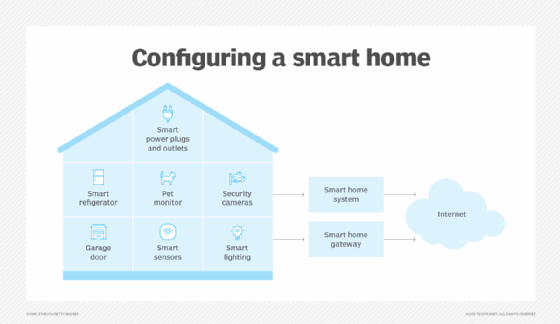
Smart lighting systems offer convenience and energy savings. These systems connect to your home network and the internet.
Connecting smart lights to the internet can create security risks. Hackers may try to access these devices.
Common Vulnerabilities
Smart lights often have weak passwords. Many devices use default passwords that users do not change.
Some smart lighting systems do not encrypt their data. This allows hackers to intercept information easily.
- Weak or default passwords
- Unencrypted data transmission
- Outdated software and firmware
- Poor network security
- Lack of regular updates
Recent Hacking Incidents
In recent years, hackers have exploited smart lighting flaws. Some attacks took control of home lights remotely.
Hackers used smart lights to enter home networks. They then accessed other devices and sensitive data.
- A 2022 attack controlled smart lights to create distractions.
- In 2023, hackers used a lighting system to access home Wi-Fi.
- Some smart lights were part of larger attacks on smart homes.
How Smart Lights Connect
Smart lights connect to your home network to receive commands. They use wireless signals to link with other devices.
These connections allow you to control lights from your phone or voice assistants easily.
Wi-fi And Bluetooth Protocols
Wi-Fi lets smart lights connect directly to your internet router. This gives them a strong range inside your home.
Bluetooth connects smart lights to nearby devices without using the internet. It works well for short distances.
- Wi-Fi supports remote control through the internet
- Bluetooth works even without internet access
- Wi-Fi uses more power than Bluetooth
- Bluetooth has a limited range compared to Wi-Fi
Cloud And Mobile App Access
Cloud access stores smart light settings on remote servers. This lets you control lights from anywhere using the app.
Mobile apps connect to smart lights through the cloud or local network. They send commands to change light colors or brightness.
- Cloud access needs internet to control lights remotely
- Mobile apps offer easy control and setup
- Cloud servers add a layer between user and device
- Local app control works without internet in some cases
Security Measures For Devices
Smart lighting systems connect to the internet to offer convenience. This connection can also create security risks. Protecting these devices is important to keep your home safe.
Several security measures help prevent hacking. These measures focus on protecting data and controlling access to the devices.
Encryption Techniques
Encryption changes data into a secret code. This code keeps information safe when sent between devices.
Smart lighting uses encryption to stop hackers from reading or changing data. Strong encryption helps keep control signals private.
- Secure data transfer between app and light
- Protection against eavesdropping
- Use of advanced encryption standards (AES)
Firmware Updates
Firmware is the software inside smart lights. It controls how the device works.
Manufacturers release updates to fix security problems. Installing updates keeps devices safe from new threats.
- Fix bugs that hackers can exploit
- Add new security features
- Improve device performance and stability
User Authentication
User authentication checks if someone is allowed to control the lights. It stops unauthorized access.
Smart lighting systems use passwords, PINs, or biometric data. Strong authentication limits who can change settings.
- Require passwords to access the app
- Use two-factor authentication for extra security
- Lock devices after multiple failed attempts
Protecting Your Smart Lighting
Smart lighting systems are convenient and energy-saving. They connect to your home network and can be controlled remotely.
But this connection can make them a target for hackers. It is important to protect your smart lighting from cyber threats.
Network Security Tips
Keep your home network safe to protect smart lights. Use strong passwords for your Wi-Fi and change them often.
Update your router’s firmware regularly. This helps fix security flaws that hackers can use.
- Use WPA3 or WPA2 encryption on your Wi-Fi
- Disable remote access to your router
- Set up a separate network for smart devices
- Turn off unused network services
Choosing Secure Brands
Pick smart lighting brands with good security records. Look for companies that update their products often.
Check if the brand uses encryption to protect data. Avoid brands with poor reviews about security issues.
- Choose brands with regular software updates
- Look for devices with encrypted communication
- Read user reviews about security
- Pick brands that support two-factor authentication
Safe Usage Practices
Use smart lighting safely by following simple habits. Change default passwords on your devices right away.
Turn off smart lights when not in use. Avoid sharing device access with many people.
- Set strong, unique passwords for each device
- Regularly check device settings and permissions
- Disconnect devices you no longer use
- Limit who can control your smart lighting
Future Of Smart Lighting Security
Smart lighting helps control lights using the internet. It makes life easier but raises safety concerns. Protecting smart lighting from hackers is very important for users.
The future of smart lighting security will focus on stronger protection methods. New technologies and rules will help keep smart lighting safe from attacks.
Emerging Technologies
New technologies improve how smart lighting stays secure. Encryption helps protect data sent between devices and apps. It stops hackers from reading private information.
Artificial intelligence (AI) can detect unusual activity in smart lighting systems. AI can alert users to possible hacking attempts early. This helps stop attacks before damage happens.
- Strong encryption for safe communication
- AI to spot unusual behavior
- Biometric access for controlling lights
- Blockchain to track device activity
Industry Standards
Industry standards create rules to make smart lighting safer. They guide how companies build and test their products. Following these standards reduces security risks for users.
Standards help different smart lighting devices work well together. They ensure updates fix security problems quickly. This teamwork makes smart lighting more reliable over time.
- Common security protocols for devices
- Regular software updates and patches
- Certification programs for security checks
- Data privacy rules for user protection
Credit: www.techtarget.com

Credit: x.com
Frequently Asked Questions
Can Smart Lighting Systems Be Hacked Easily?
Smart lighting can be hacked if security is weak. Using strong passwords and updated firmware reduces risks. Secure networks and encryption protect your devices from hackers. Always buy smart lights from reputable brands with good security features.
What Makes Smart Lighting Vulnerable To Hacking?
Smart lights connect to Wi-Fi, making them targets if networks are insecure. Weak passwords and outdated software increase vulnerability. Lack of encryption allows hackers to intercept data. Regular updates and secure settings help prevent unauthorized access.
How To Protect Smart Lighting From Cyber Attacks?
Use strong, unique passwords and change default settings. Keep firmware and apps updated regularly. Connect smart lights to a separate secure network if possible. Disable unnecessary features and monitor device activity for unusual behavior.
Are Smart Lighting Hacks Dangerous For Home Security?
Yes, hacked smart lights can expose your network to threats. Hackers may use lights to access other devices. They can cause disruptions or invade privacy. Proper security measures minimize these risks and keep your home safe.
Conclusion
Smart lighting can be vulnerable to hacking. But you can protect it. Use strong passwords. Regularly update your devices. Choose reputable brands. Always monitor your network activity. These steps help keep your smart lighting secure. Awareness is key. Understand potential risks.
Stay informed about new security measures. Being proactive ensures safety. Smart lighting enhances convenience and efficiency. With precautions, it remains safe and reliable. Make security a priority. Enjoy the benefits without worry.
14 min read