
Are you ready to make your home smarter without spending a fortune? Buying a DIY home automation kit puts the power in your hands to control lights, security, and appliances with ease.
Imagine adjusting your thermostat from your phone or setting your lights to turn on as you walk in the door—all without calling a technician. This guide will help you find the perfect kit that fits your needs and budget, so you can enjoy the convenience and comfort of a connected home right away.
Keep reading to discover how simple and rewarding it can be to upgrade your living space yourself.

Credit: openelab.io
Benefits Of Home Automation
Home automation lets you control many devices in your house. It makes daily life easier and more comfortable.
Using a DIY home automation kit, you can add smart features by yourself. These features save time and energy.
Enhancing Convenience
Home automation lets you control lights, temperature, and appliances from one place. You can use your phone or voice commands.
This makes it easy to manage your home, even when you are away. You can set schedules to match your daily routine.
Boosting Energy Efficiency
Smart devices help reduce energy waste. They turn off lights and appliances when not in use.
Automation can adjust heating and cooling to save power. This lowers your energy bills and helps the environment.
- Automatic light control
- Smart thermostats
- Energy use monitoring
Improving Home Security
Home automation adds security features like cameras and alarms. You can check your home anytime from your phone.
It can notify you if there is unusual activity. You can also control door locks remotely to keep your home safe.
- Remote video monitoring
- Smart door locks
- Motion sensors and alerts
Increasing Property Value
Homes with smart features attract more buyers. Many people want houses with modern technology.
Installing home automation can raise your property’s market value. It shows the house is up-to-date and secure.
Choosing The Right Diy Kit
Buying a DIY home automation kit can make your home smarter. Picking the right kit is important for a smooth experience.
Think about your needs and skills before you buy. This will help you get the best kit for your home.
Assessing Compatibility
Check if the kit works with your current devices. Some kits only work with certain brands or systems.
Look for kits that support popular platforms like Alexa, Google Home, or Apple HomeKit.
- Match kit with your smartphone or tablet
- Ensure support for your home Wi-Fi network
- Check if the kit fits your smart devices
Evaluating Features
Look at what the kit can do. Basic kits control lights and plugs. Advanced kits handle security and climate.
Choose features that fit your daily needs and home size.
- Remote control via app
- Voice assistant compatibility
- Scheduling and automation options
- Security sensors and alarms
Considering Budget
Set a budget before shopping. Kits vary widely in price depending on features and brands.
Don’t spend too much on features you won’t use. Look for kits that offer good value for money.
- Compare prices of similar kits
- Check for extra costs like subscriptions
- Consider future expansion costs
Reading User Reviews
Look at reviews from other buyers. They show real experiences and common problems.
Focus on reviews about ease of setup and product reliability.
- Check overall star ratings
- Read both positive and negative comments
- Look for tips from experienced users
Popular Diy Home Automation Kits
DIY home automation kits let you control your home devices easily. They are good for saving time and energy.
These kits come with simple tools and guides. You can install them without needing an expert.
Smart Lighting Solutions
Smart lighting kits help you control lights with your phone or voice. You can set schedules or change colors.
Many kits include smart bulbs, switches, and dimmers. They fit in regular lamps and fixtures easily.
- Control lights remotely with apps
- Set timers for energy saving
- Change light colors and brightness
- Compatible with voice assistants
Security And Surveillance Kits
Security kits include cameras, sensors, and alarms. They help you watch your home from anywhere.
Some kits offer motion detection and night vision. They send alerts if something unusual happens.
- Wireless cameras for easy setup
- Door and window sensors
- Real-time notifications on phone
- Record and store video footage
Climate Control Systems
Climate kits let you control heating and cooling. You can adjust temperature from your phone or voice device.
Some kits include smart thermostats and sensors. They help save energy by learning your schedule.
- Smart thermostats for easy temperature control
- Humidity sensors for comfort
- Energy saving features
- Remote control via apps
Voice-controlled Devices
Voice-controlled devices let you manage your home hands-free. You can use commands to control lights, music, and more.
Many kits include smart speakers and voice hubs. They work with other smart devices for easy control.
- Smart speakers with voice assistants
- Voice hubs to connect devices
- Hands-free control of home systems
- Simple setup and use
Step-by-step Installation Guide
Installing a DIY home automation kit can make your home smarter. This guide will help you set up your system easily.
Follow these steps to prepare, install, connect, and test your devices for the best results.
Preparing Your Home
Start by clearing the areas where you want to place your devices. Make sure there are power outlets nearby.
Check your home’s Wi-Fi signal strength in these areas. Strong signals help devices work better.
- Clear space for sensors and controllers
- Ensure access to power sources
- Test Wi-Fi signal strength
- Read the kit’s instruction manual
Setting Up Devices
Unbox the devices and check all parts are included. Follow the manual for device placement and mounting.
Install batteries or plug devices into power. Secure sensors on doors, windows, or walls as needed.
- Unpack all devices and accessories
- Insert batteries or connect power cables
- Mount sensors on doors or windows
- Place controllers in central locations
Connecting To Network
Turn on your Wi-Fi router and confirm it is working. Use the app or control panel to connect devices to Wi-Fi.
Follow the instructions to pair each device with the network. Ensure each device shows a connected status.
- Power on your Wi-Fi router
- Open the app or control panel
- Connect devices to your Wi-Fi network
- Check connection status for each device
Testing And Troubleshooting
Test each device to confirm it works as expected. Use the app to activate sensors and controls.
If a device does not respond, check its power and network connection. Restart the device or router if needed.
- Test device functions via the app
- Check power and batteries
- Verify Wi-Fi connection
- Restart devices or router to fix issues
Maximizing Your Automation Experience
Buying a DIY home automation kit lets you control your home easily. You can make your daily tasks simpler and save time.
To get the most from your system, learn how to customize it, connect devices, set schedules, and keep it working well.
Customizing Settings
Adjust your home automation settings to fit your lifestyle. Change device controls and notifications to suit your needs.
Use the app or control panel to personalize features like lighting brightness, temperature, and alerts.
- Set preferred light colors and brightness levels
- Adjust thermostat settings for comfort and energy saving
- Choose notification types and frequency
Integrating Multiple Devices
Connect various smart devices to work together smoothly. This lets you control lights, locks, cameras, and more from one place.
Check that all devices support your system and use the same app or hub for easy management.
- Link smart bulbs, switches, and plugs
- Connect security cameras and door locks
- Include voice assistants for hands-free control
Scheduling And Automation Tips
Create schedules to automate your devices. Set times for lights, heating, or appliances to turn on and off automatically.
Use rules to trigger actions, like turning on lights when you enter a room or locking doors at night.
- Set daily or weekly routines for devices
- Use motion sensors to activate lights or alarms
- Combine triggers for smarter automation
Maintaining Your System
Keep your home automation system running smoothly with regular checks. Update software and replace batteries as needed.
Clean devices and test connections to avoid problems and ensure everything works as expected.
- Install updates promptly to improve security and features
- Change batteries in wireless devices regularly
- Test devices and connections monthly

Credit: www.amazon.in
Common Challenges And Solutions
Buying a DIY home automation kit brings many benefits. It helps you control your home easily. Still, some challenges can happen during setup and use.
Knowing these common problems and their solutions makes the process smoother. This guide covers key issues and ways to fix them.
Dealing With Connectivity Issues
Connectivity problems can stop your devices from working well. Wi-Fi or Bluetooth signals might be weak or unstable.
To fix this, place your router in a central spot. Avoid walls or metal objects blocking the signal. Restart your router if devices lose connection.
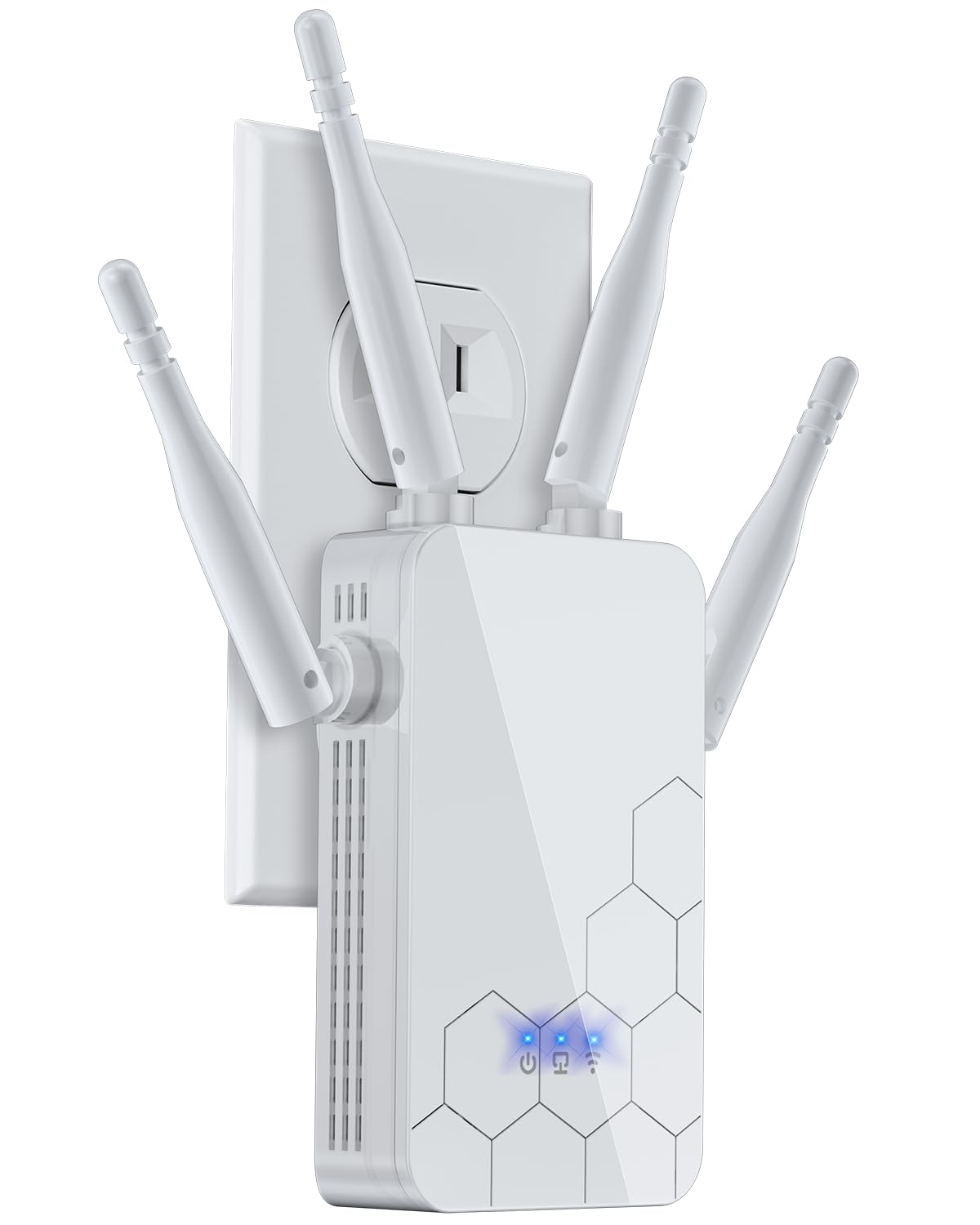
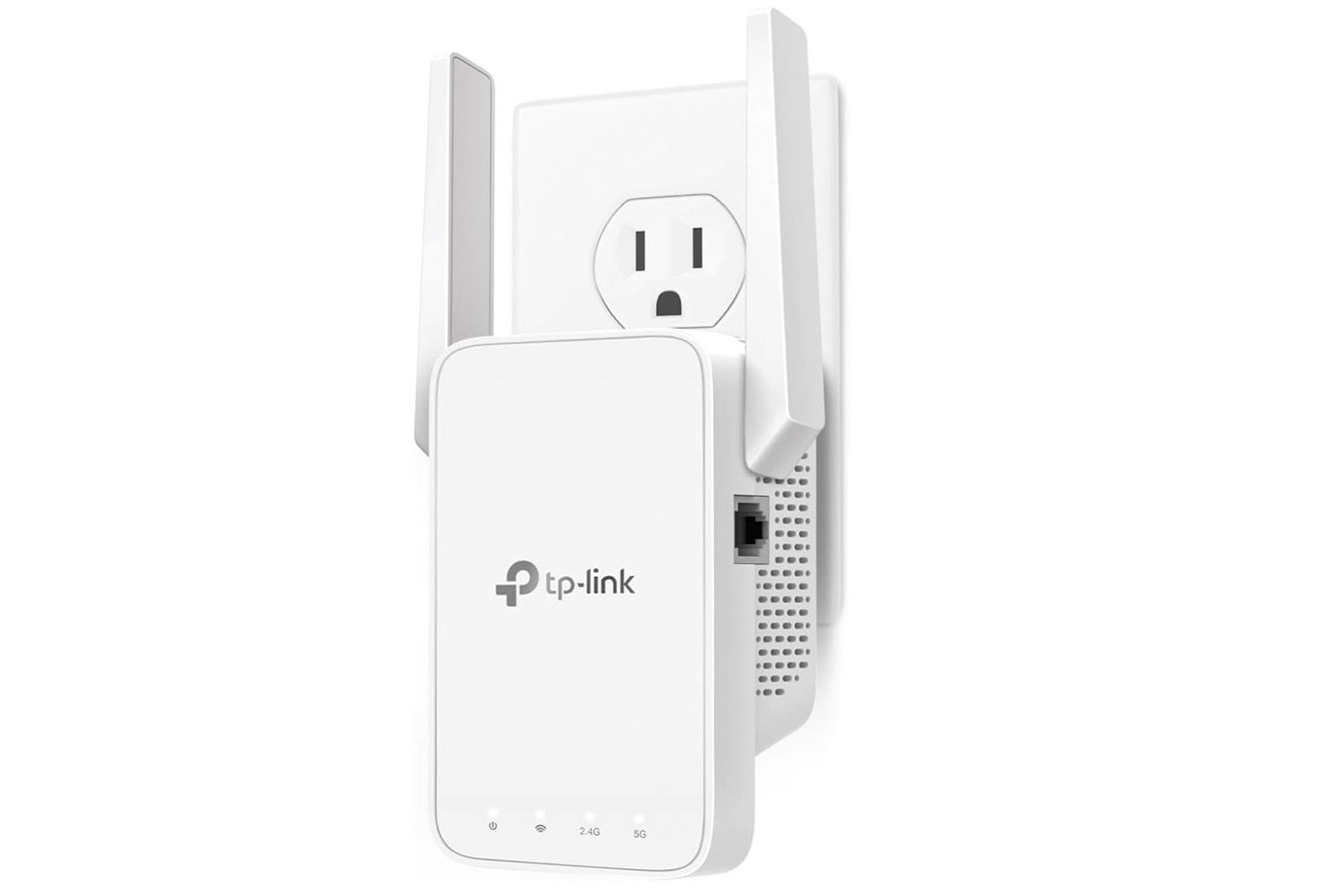
- Use Wi-Fi extenders to boost weak signals
- Keep devices within range of your network
- Update device firmware for better connection
Managing Device Compatibility
Not all devices work well together. Some kits support only certain brands or systems. This can limit what you can add to your setup.
Check product details before buying. Choose devices that use the same communication protocol like Zigbee or Z-Wave.
- Read manufacturer compatibility lists
- Select kits with open standards for more options
- Use apps that support multiple device types
Ensuring Data Privacy
Home automation collects personal data. Protecting this data is important to keep your privacy safe. Poor security can lead to hacking risks.
Use strong passwords and change them regularly. Turn on two-factor authentication if available. Keep your software updated to fix security holes.
- Use secure Wi-Fi networks with WPA3 encryption
- Disable remote access if not needed
- Review privacy settings in device apps
Handling Technical Support
Sometimes technical problems need expert help. DIY kits may have limited support options. This can be frustrating if you get stuck.
Look for brands with good customer service. Use online forums and guides for common issues. Keep product manuals handy for quick reference.
- Contact support via email or chat
- Join user groups on social media platforms
- Watch video tutorials for setup and troubleshooting
Future Trends In Home Automation
Home automation is growing quickly. New technology makes homes smarter and easier to control.
Many trends will shape how people use home automation kits in the future.
Artificial Intelligence Integration
Artificial intelligence (AI) helps home devices learn your habits. It adjusts settings without needing commands.
AI makes systems smarter by predicting your needs and saving energy.
Expansion Of Iot Devices
The number of Internet of Things (IoT) devices in homes is rising. These devices connect and share data easily.
More devices mean better control and automation for lighting, security, and appliances.
- Smart thermostats for climate control
- Connected security cameras
- IoT-enabled kitchen appliances
- Wireless sensors for home monitoring
Enhanced Voice Recognition
Voice control is becoming more accurate. Devices understand different accents and natural speech better.
This allows easier hands-free control of home systems anytime.
Sustainable Automation Practices
Home automation will focus on saving energy and reducing waste. Smart systems help use resources wisely.
Automation supports eco-friendly living by managing power and water efficiently.
- Smart lighting that turns off when not needed
- Efficient heating and cooling controls
- Water-saving irrigation systems
- Monitoring energy use in real time

Credit: openelab.io
Frequently Asked Questions
What Is A Diy Home Automation Kit?
A DIY home automation kit allows you to automate household devices. It often includes sensors, controllers, and smart hubs. These kits enable users to control lighting, temperature, and security remotely. They are user-friendly and designed for easy installation without professional help.
It’s a cost-effective way to modernize your home.
How Do Diy Automation Kits Work?
DIY automation kits work by connecting smart devices to a central hub. This hub communicates with various sensors and controllers. Users can manage devices via smartphone apps or voice commands. The system automates tasks like lighting, temperature, or security. It offers convenience and efficiency in managing home environments.
Are Diy Automation Kits Easy To Install?
Yes, DIY automation kits are designed for easy installation. They typically come with step-by-step instructions. Most kits don’t require technical expertise or professional help. Components often connect wirelessly, reducing the need for complex wiring. This makes it accessible for homeowners to set up and manage their smart home.
What Devices Can I Control With These Kits?
With a DIY home automation kit, you can control a variety of devices. This includes lighting, thermostats, security cameras, and door locks. Some kits also integrate with smart speakers and appliances. This flexibility allows for a customized smart home experience.
It enhances comfort, security, and energy efficiency.
Conclusion
Choosing a DIY home automation kit saves money and adds convenience. You control your smart devices easily with simple tools. Installation is quick and does not need experts. Enjoy a safer, smarter home with less effort. Start small and grow your system over time.
This approach fits any budget and skill level. Make daily tasks easier and your home more efficient. A DIY kit brings modern tech right to your fingertips.
22 min read